We have a more suitable website version for you. Please confirm your country to get the right product availibility and even purchase online.

Scott Winter layering guide

The Art of layering

Whether you're a resort skier, mountaineer, or big-mountain freerider, strategic layering is key to ensuring all-day comfort and enjoyment. Layers are your best allies for staying dry and warm, and for using your energy efficiently.

MEET THE PERFECT LAYERS

Layering at SCOTT Sports means using 4 layers:

  • base layer
  • mid layer
  • insulation layer
  • shell

Each has its own function.

By sticking to the four different layers listed below, you'll be able to quickly adapt to the level of sporting activity being performed and changing weather conditions.
Layering Concept

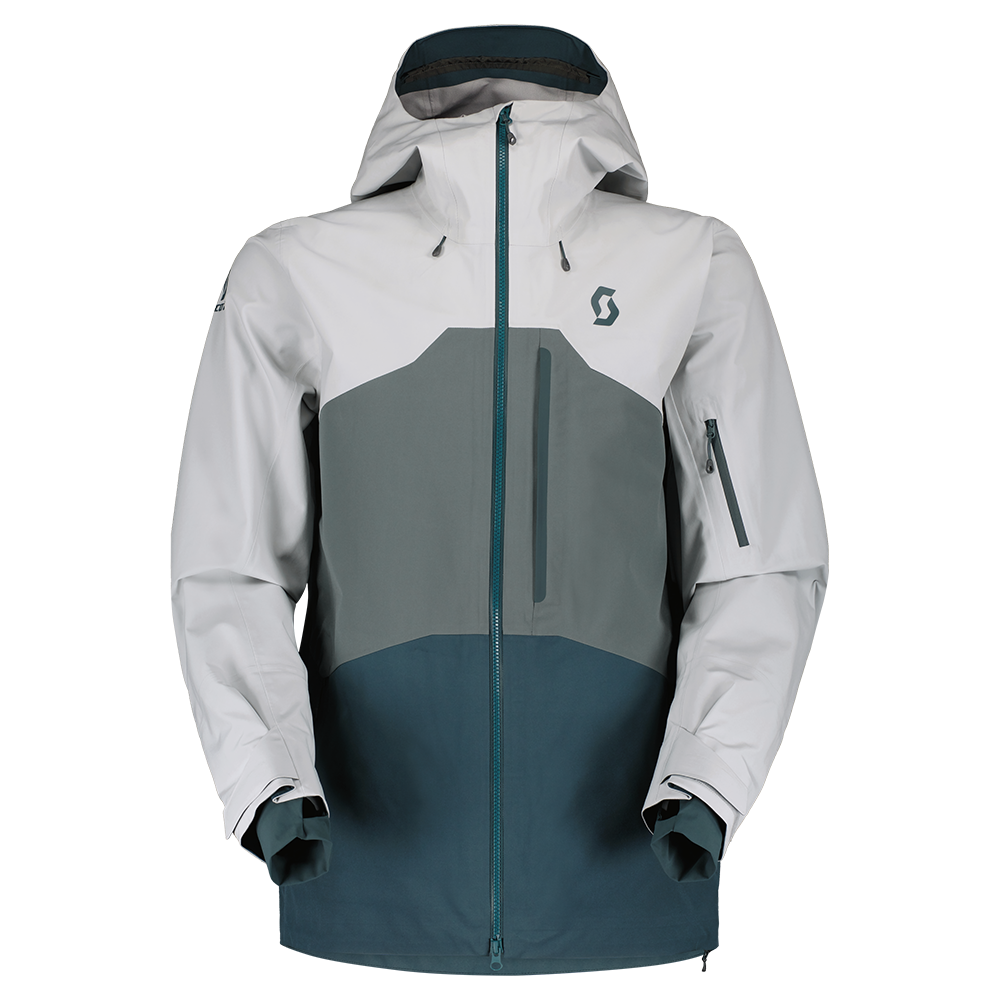
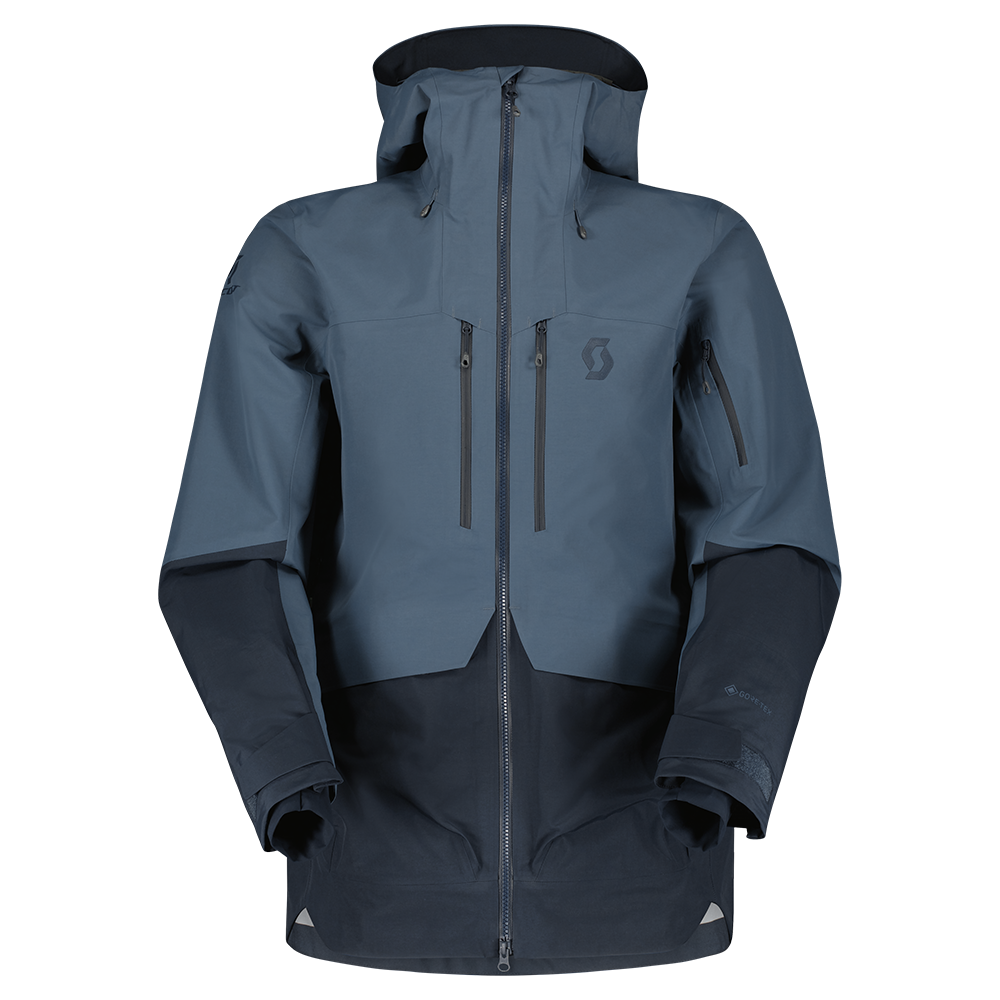
Freeride

Waterproof and robust

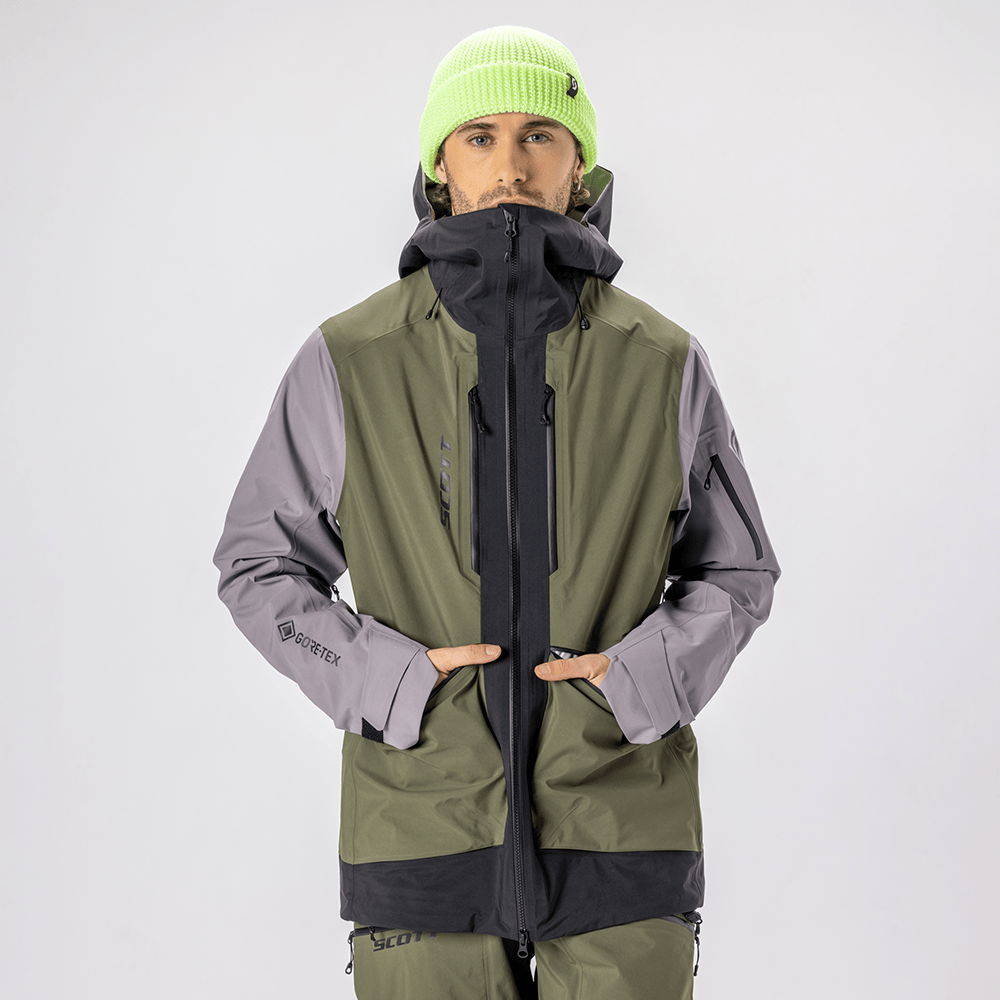
For freeriding, you need an outfit that protects you against the cold weather and the environment, so that you always stay dry and comfortable in powder snow.

Relaxed fit

  • Our most used fit. Classic and versatile.
  • Plenty of freedom of movement.
  • Enough room to layer.
FREERIDE
  • More
    RECCO Reflector
  • More
    Waterproofness: 15'000 mm
  • More
    Bonded chest & sleeve pockets
  • More
    Internal knit cuffs with thumbholes
  • More
    GORE-TEX Shell

Touring

Breathable and superlight

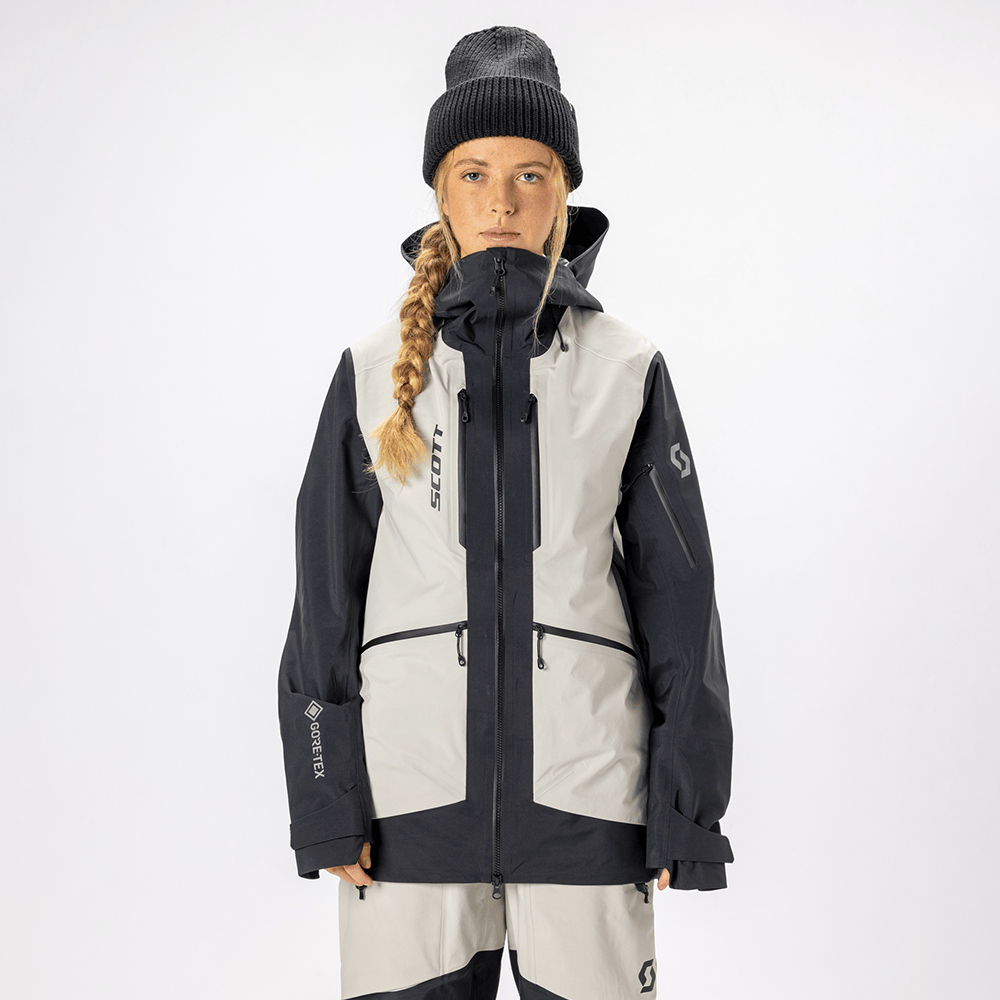
On the ascent, you need a highly breathable outfit that wicks sweat away from the body to keep it performing. When you are poised for the descent at the summit, put the insulator on to keep your body warm.

Regular fit

  • Traditional cut with straight lines for a stylish look and a classic fit.
  • Ultimate freedom of movement.
TOURING
  • More
    Two chest pockets
  • More
    Waterproofness: 10'000 mm
  • More
    GORE-TEX Shell
  • More
    RECCO Reflector
  • More
    Adjustable cuffs

Base layer

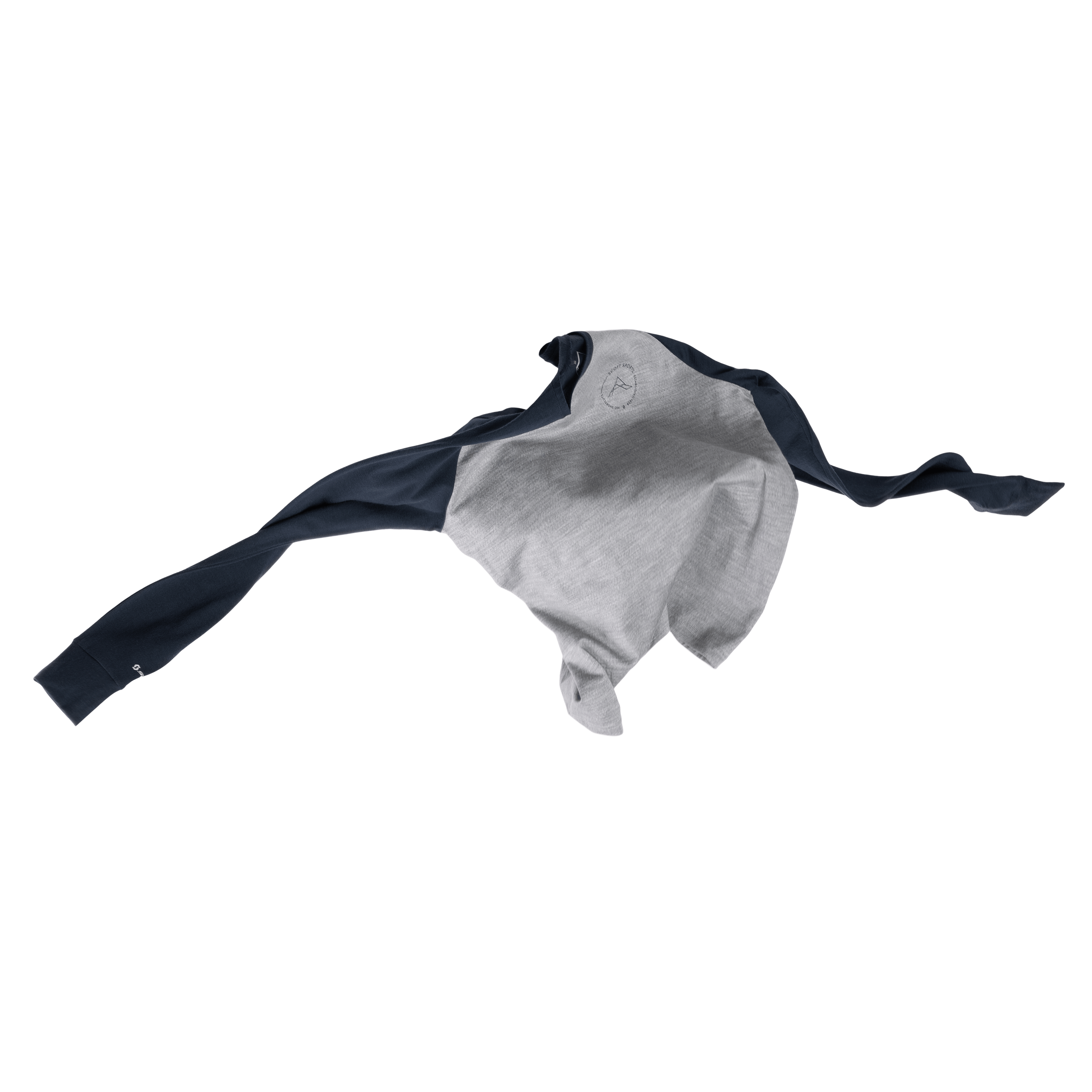
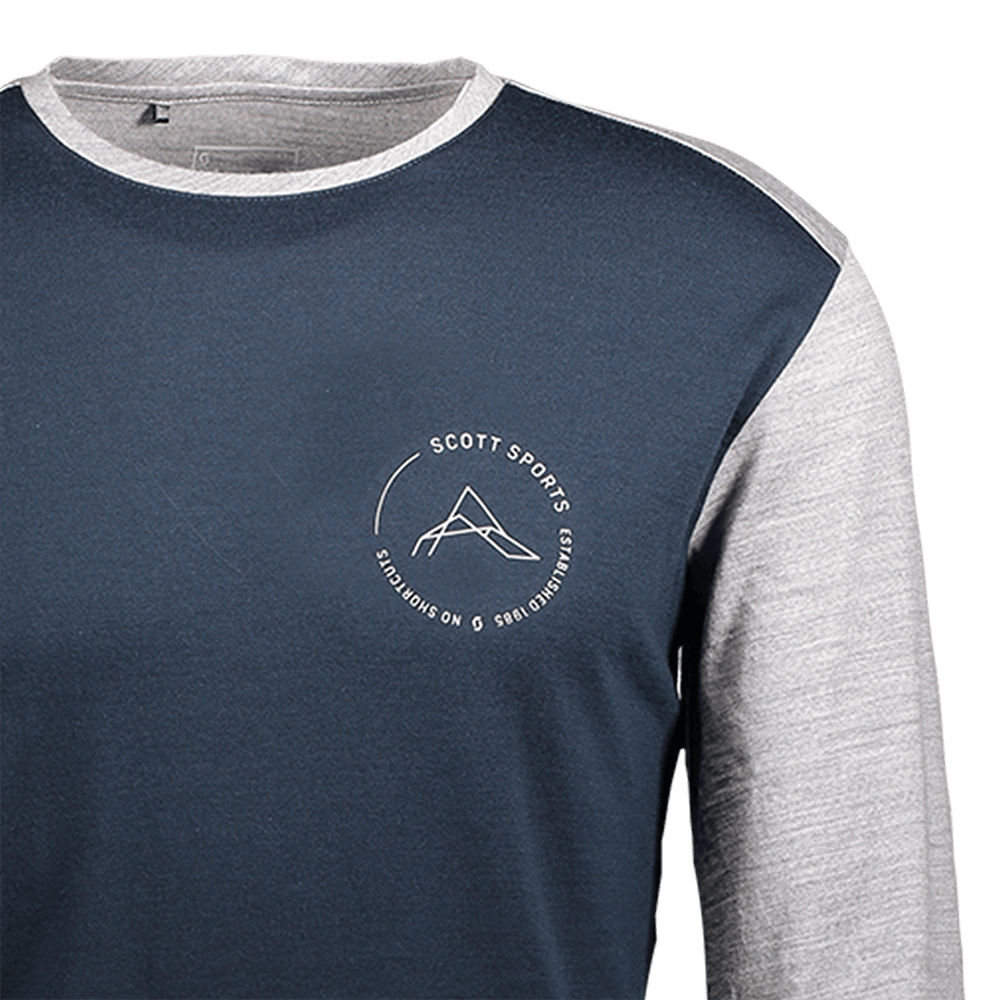
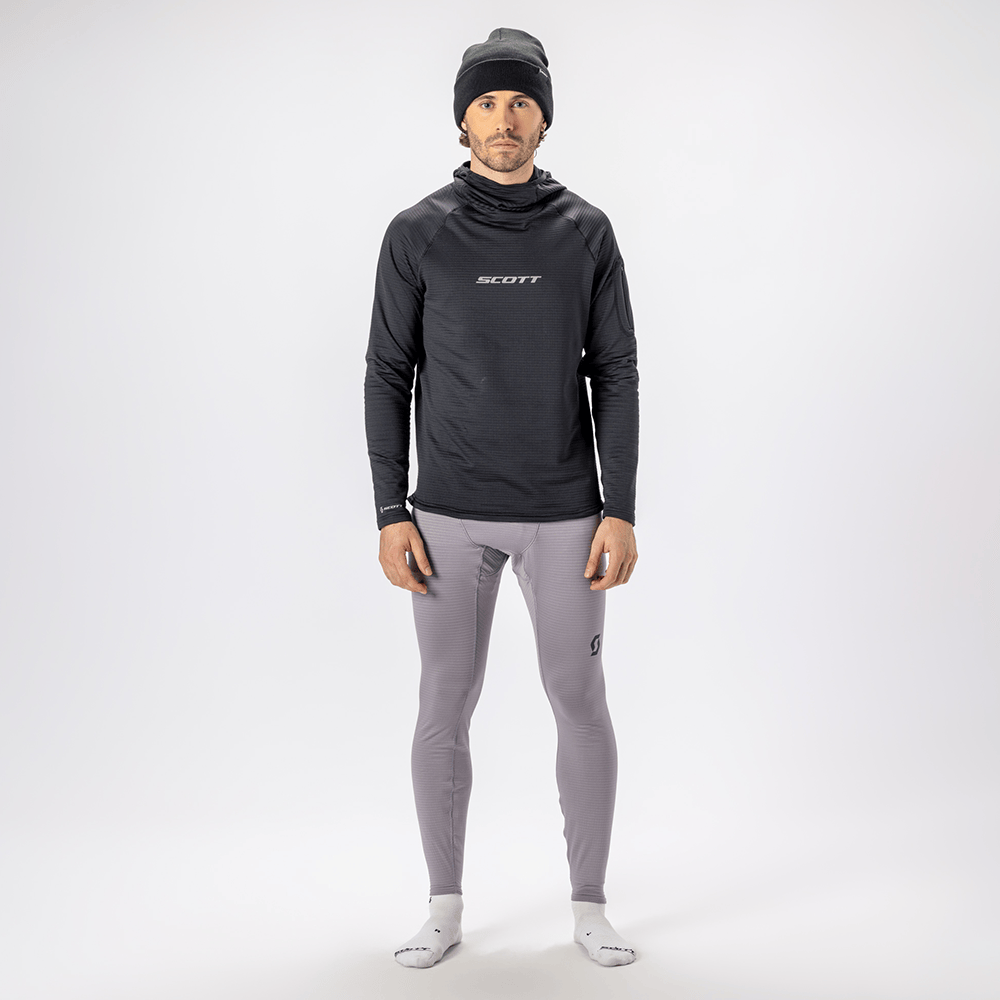
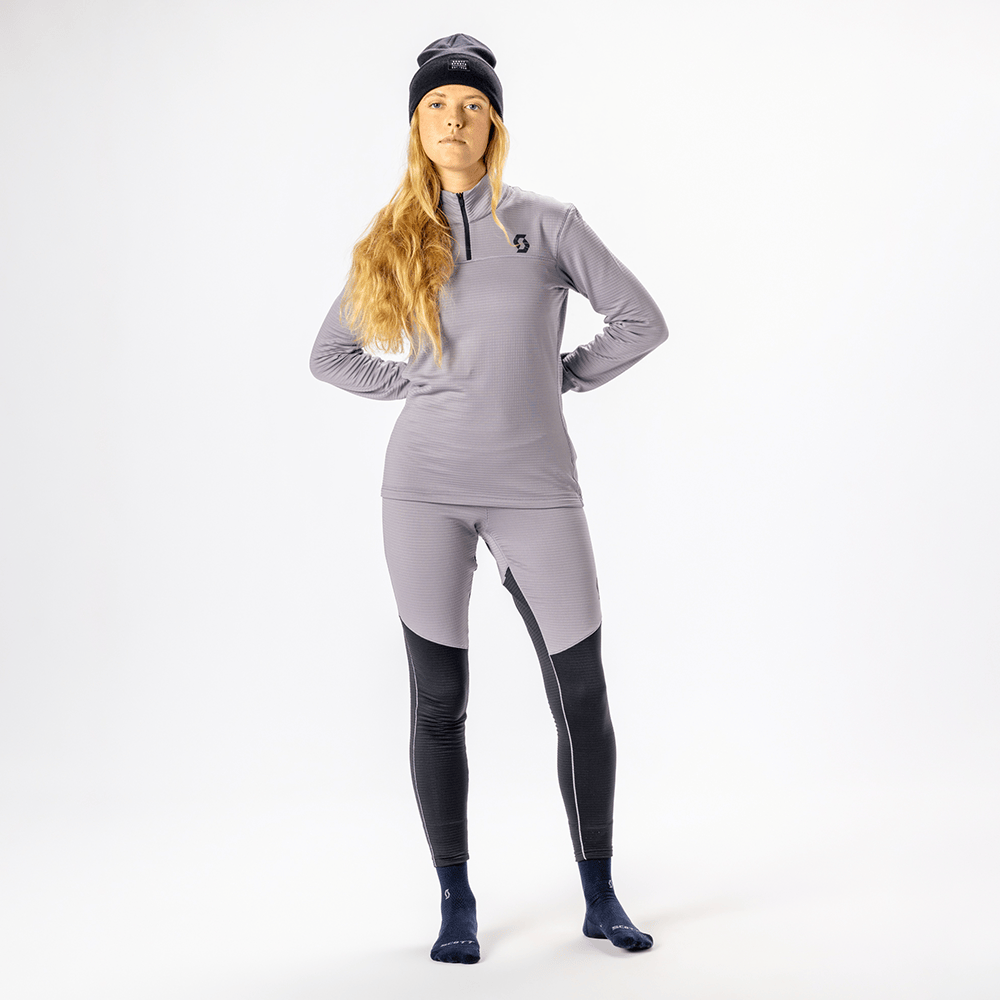
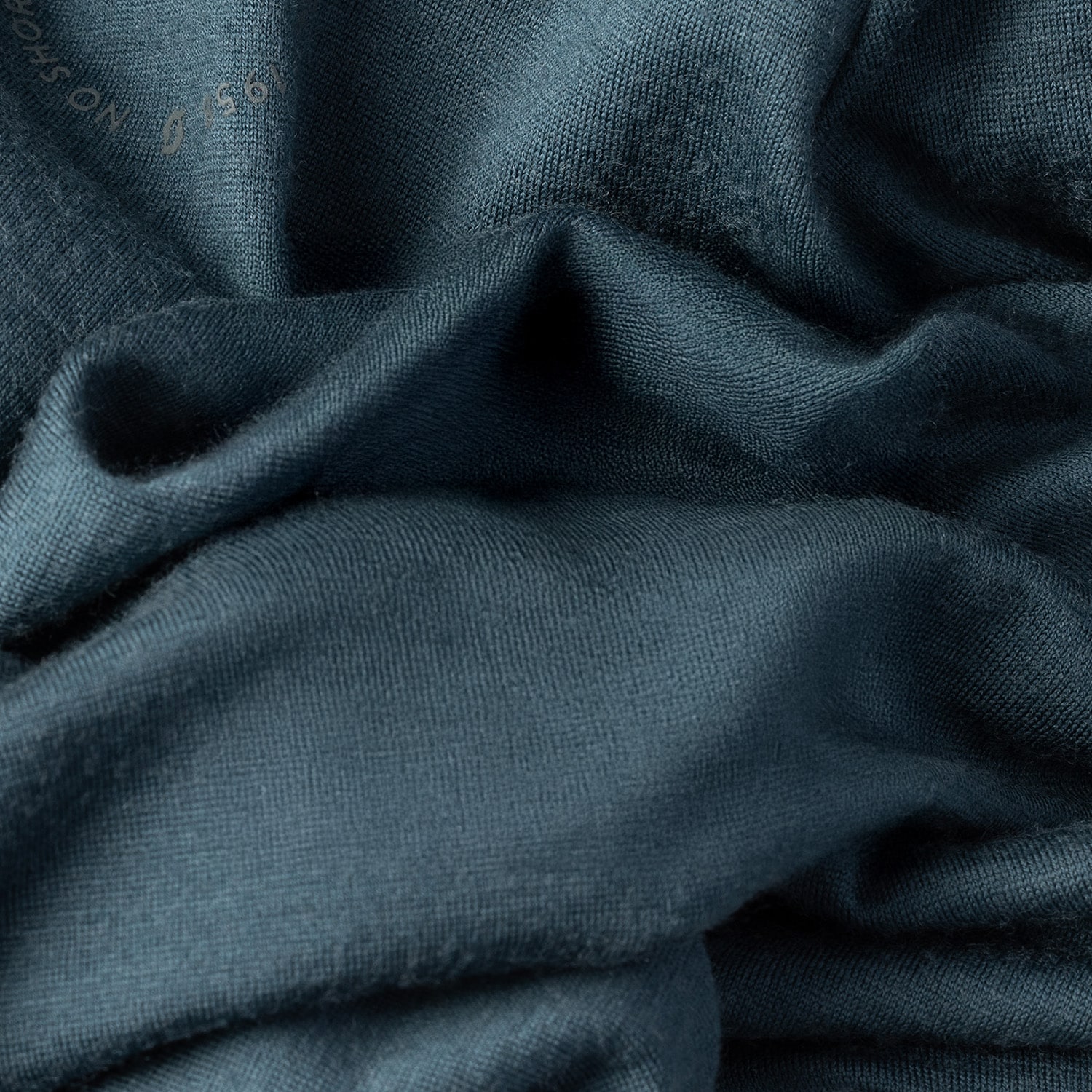
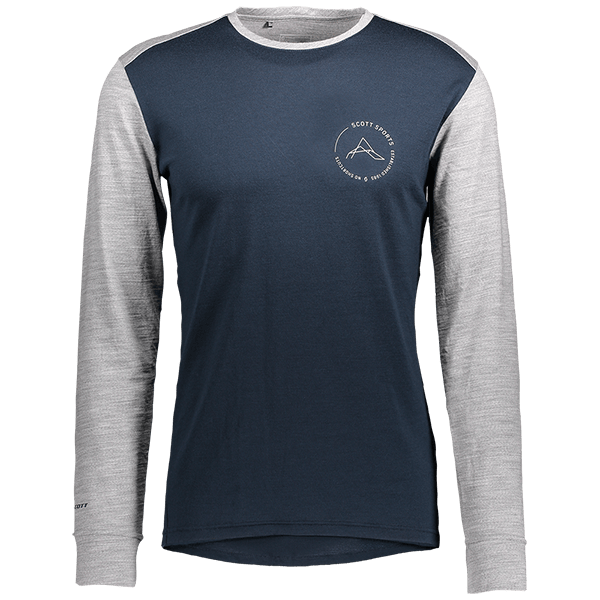
Base layers sit directly against the skin. The main function of a base layer is to wick away sweat and release the moisture away from the body. This prevents your body from losing heat too quickly.

Our Defined Merino shirts and pants are a good example of a base layer. As a fabric, Merino's properties include excellent moisture management, enhanced odor management and a soft feel.

Key features

  • Lightweight
  • Extremely breathable
  • Quick-drying

Technologies

MAPP tech logo

Mid layer

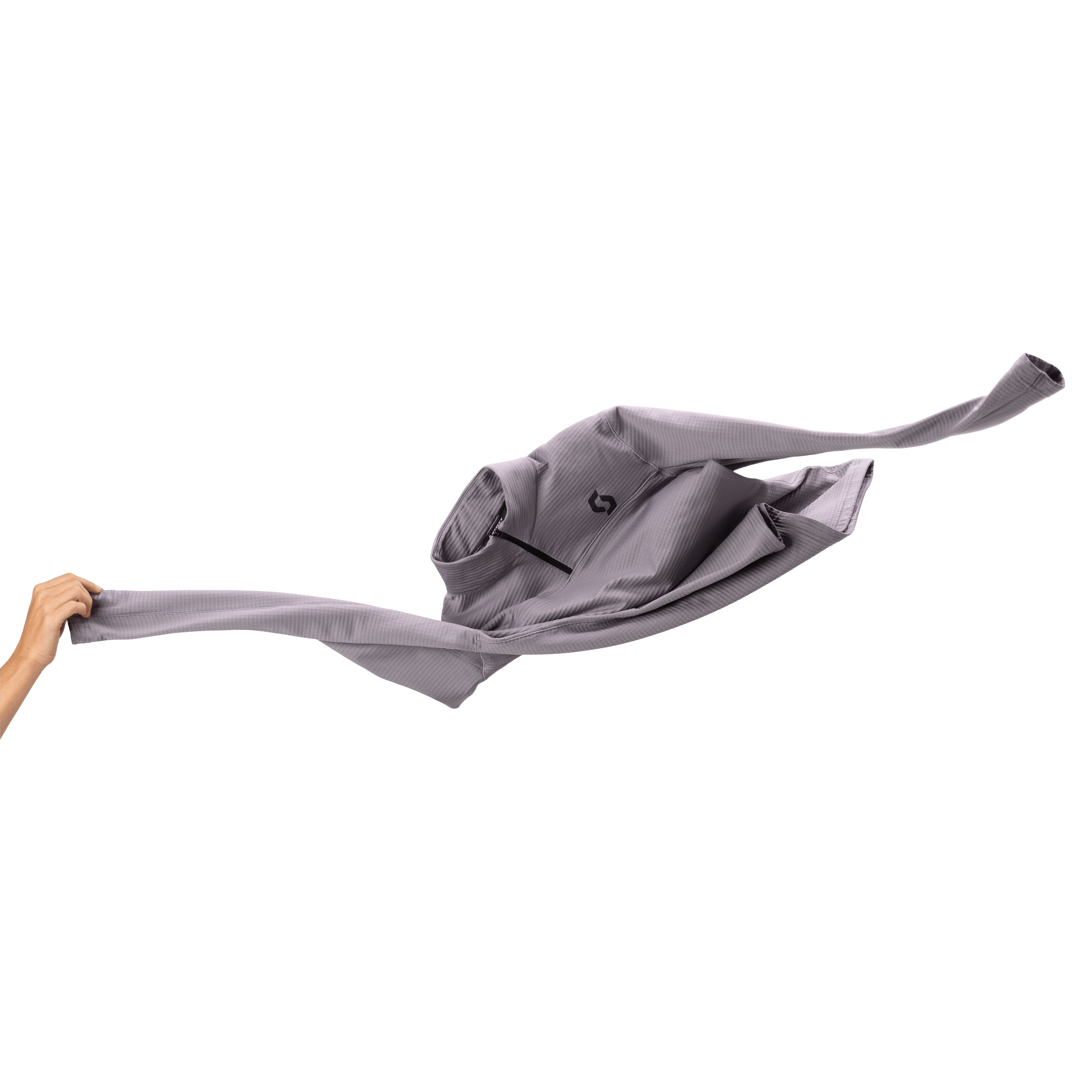
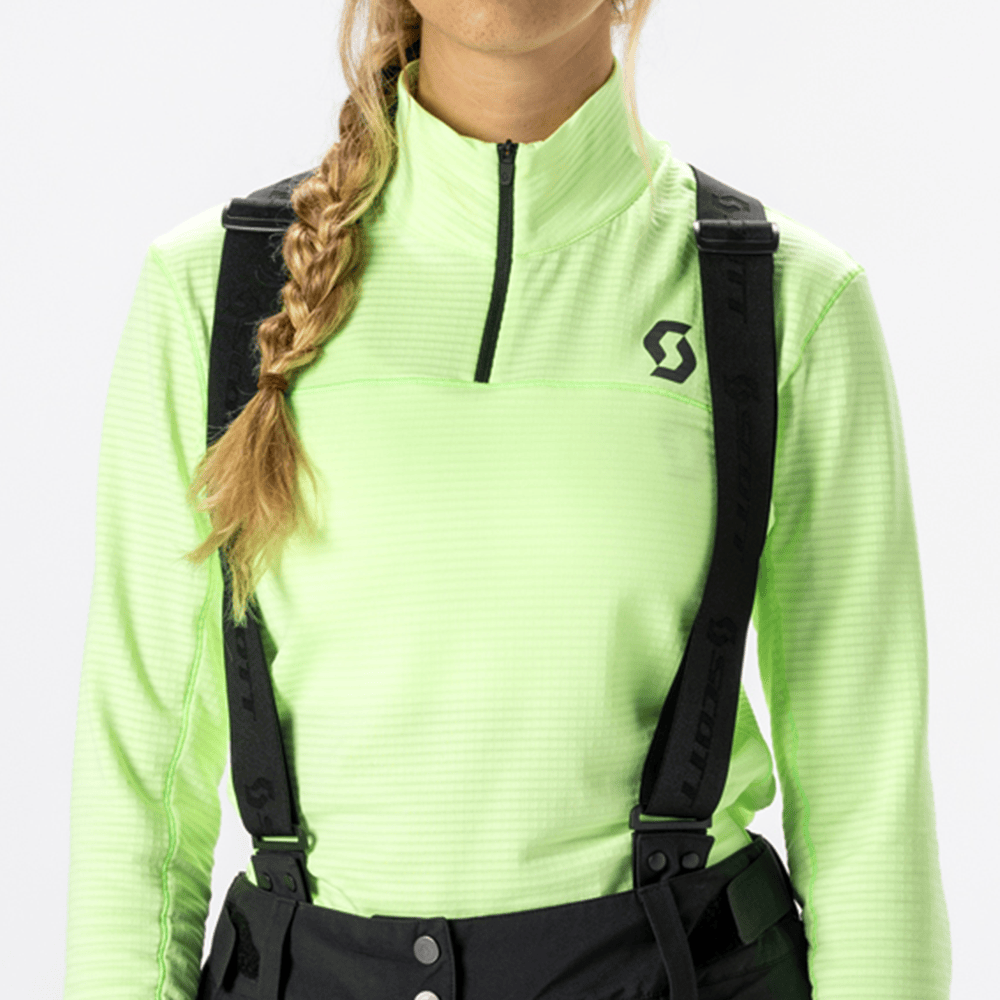
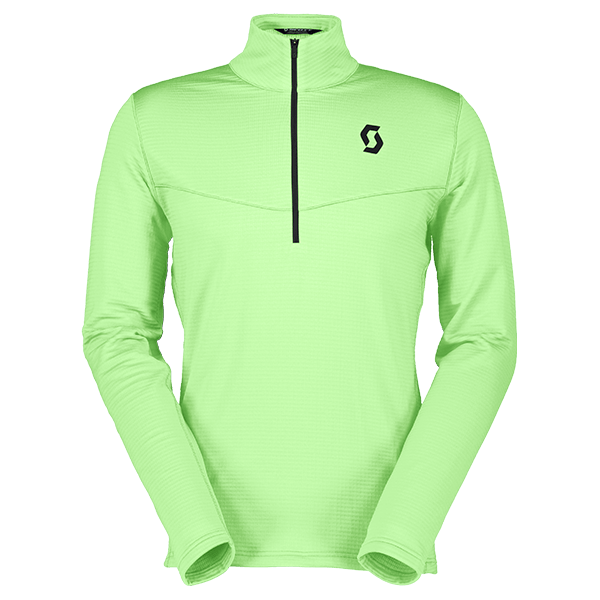
Mid layers are worn to insulate against the cold and can be made up of several different layers. Depending on the weather, temperature and activity, highly functional fabrics such as grid fleece can be used to ensure warmth while remaining breathable.

Main features

  • Highly breathable
  • Great wearing comfort

Technologies

Duroxpand tech logo

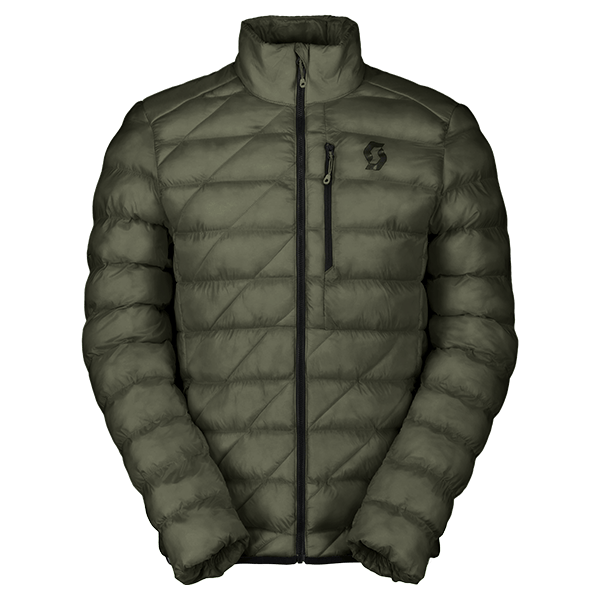
Insulator

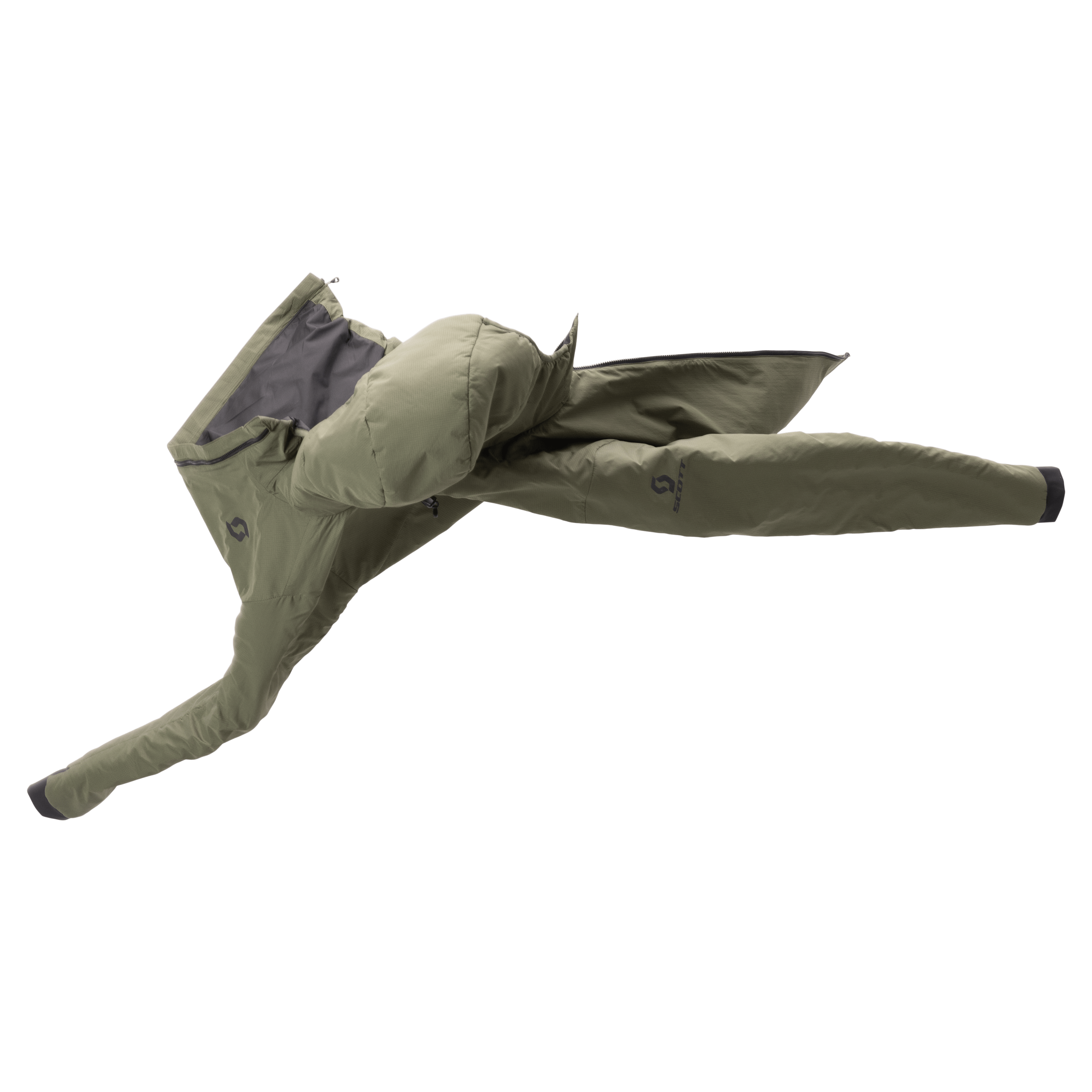
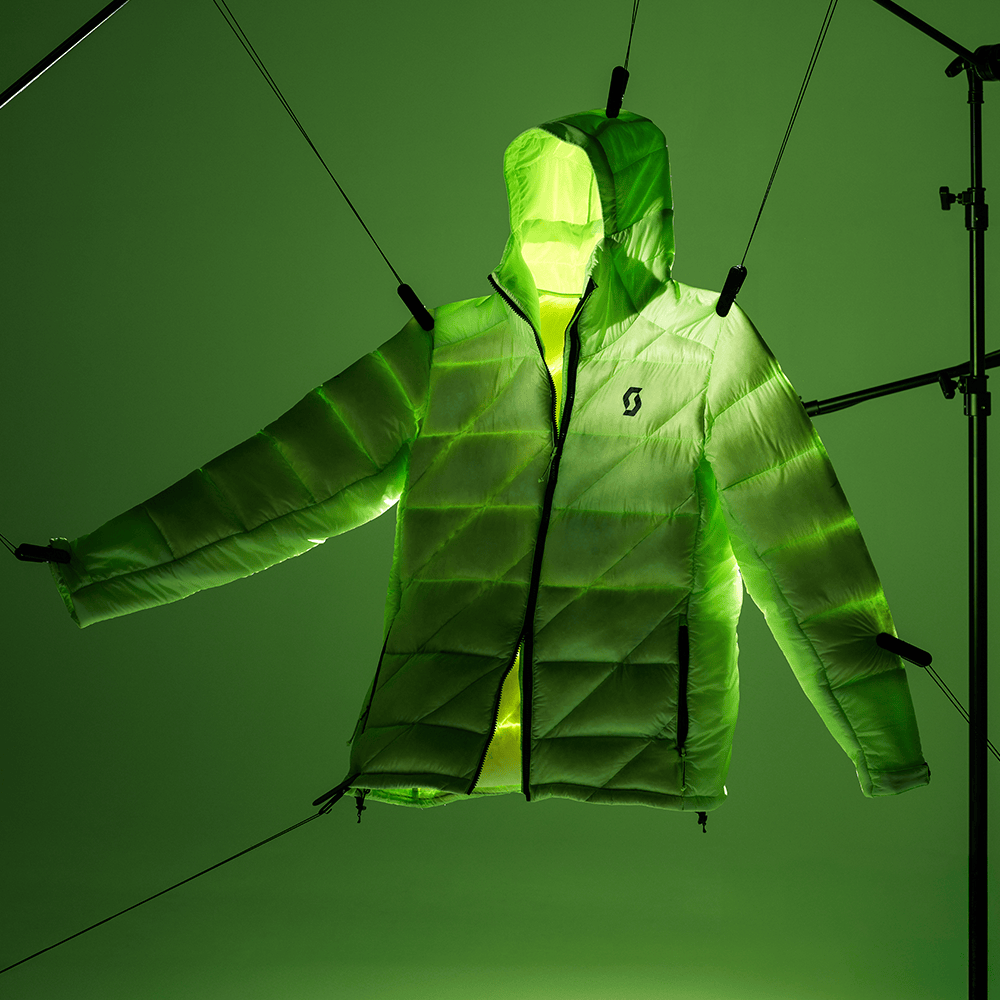
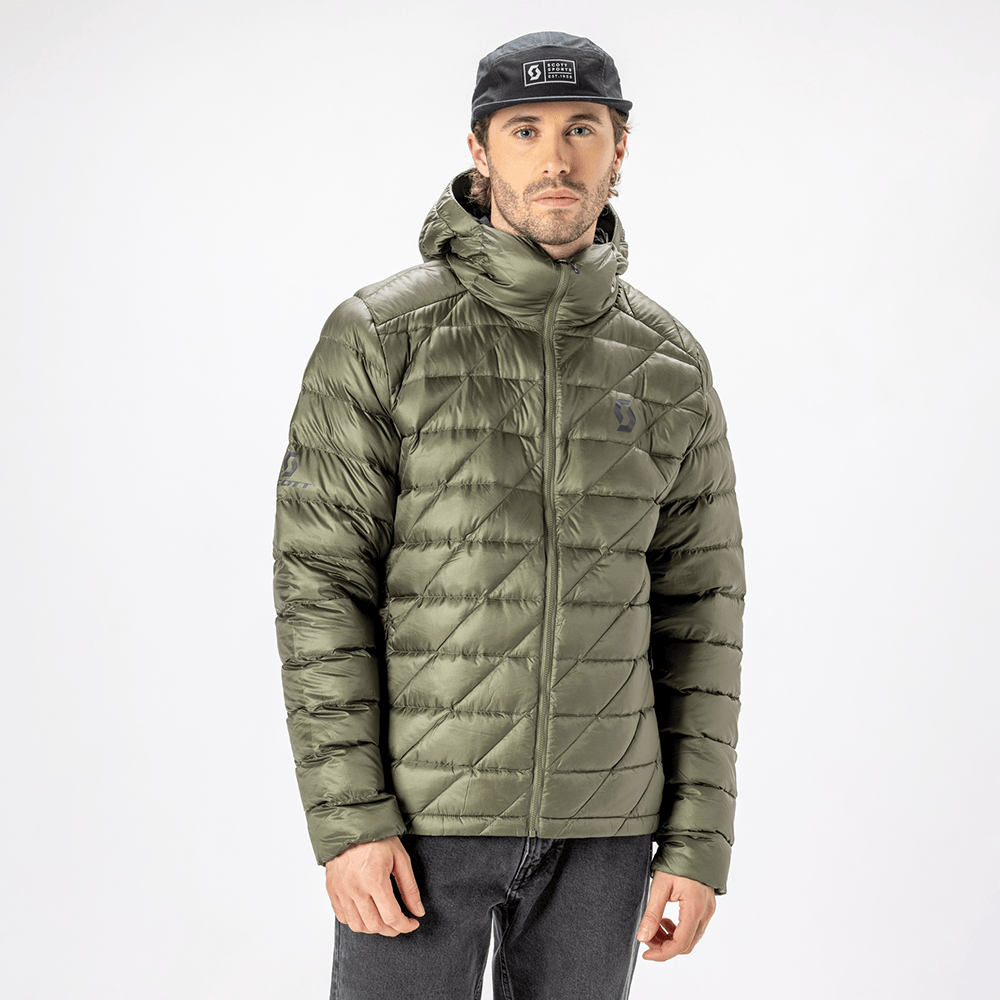
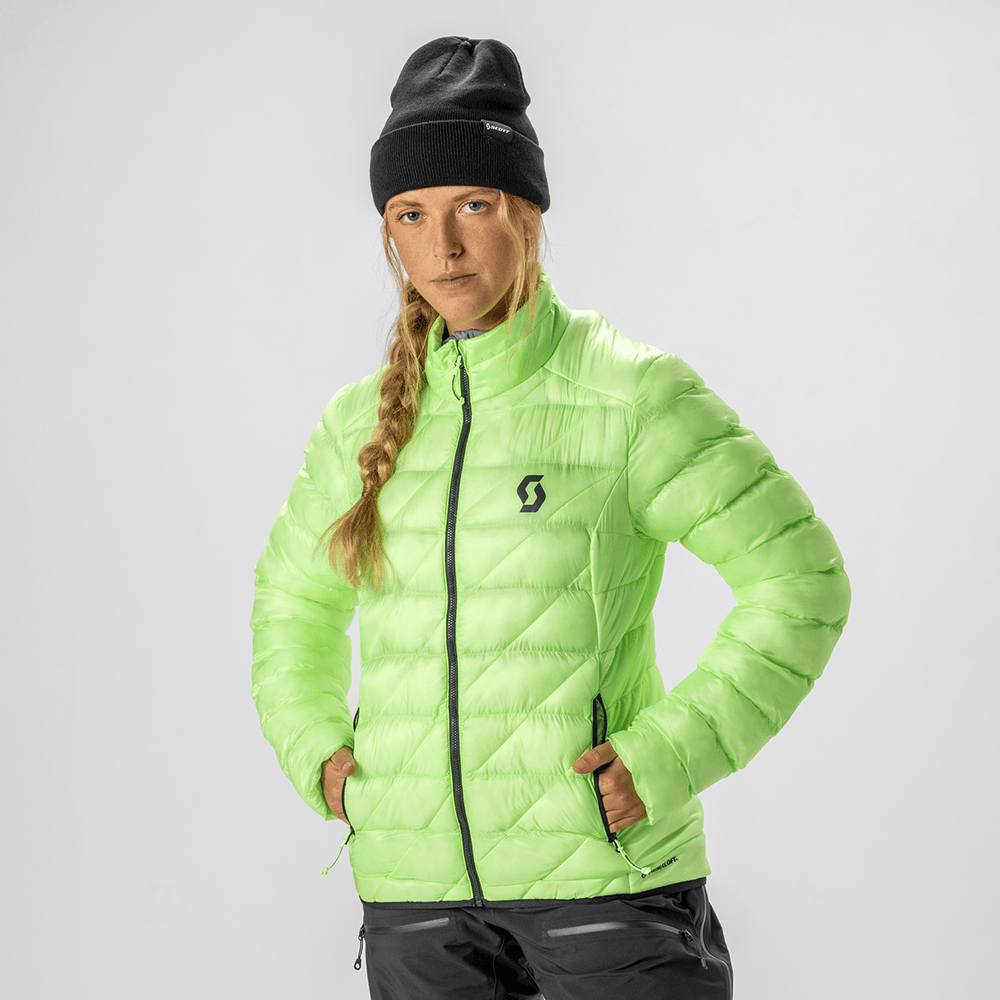
The insulator's job is to provide further protection against the cold. It keeps you warm both during and after intense activities in cold weather, trapping heat in air pockets to provide excellent thermal insulation.

Main features

  • Lightweight
  • Small packing size
  • Multifunctional

Technologies

Primaloft tech logo Dryozone tech logo PFC Free tech logo

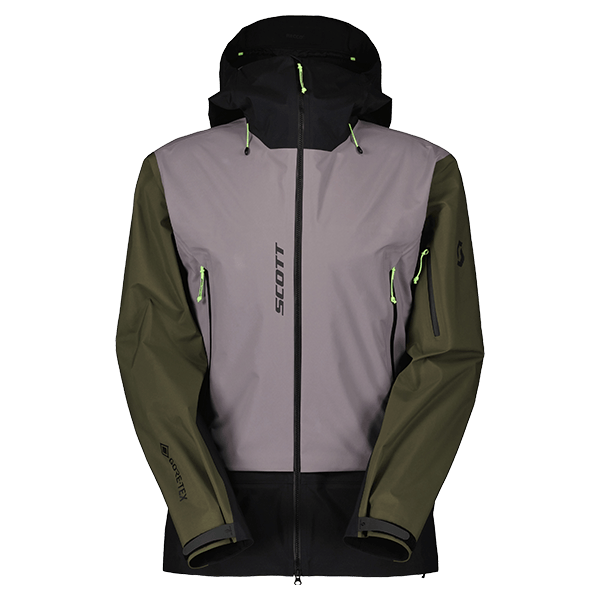
Shell

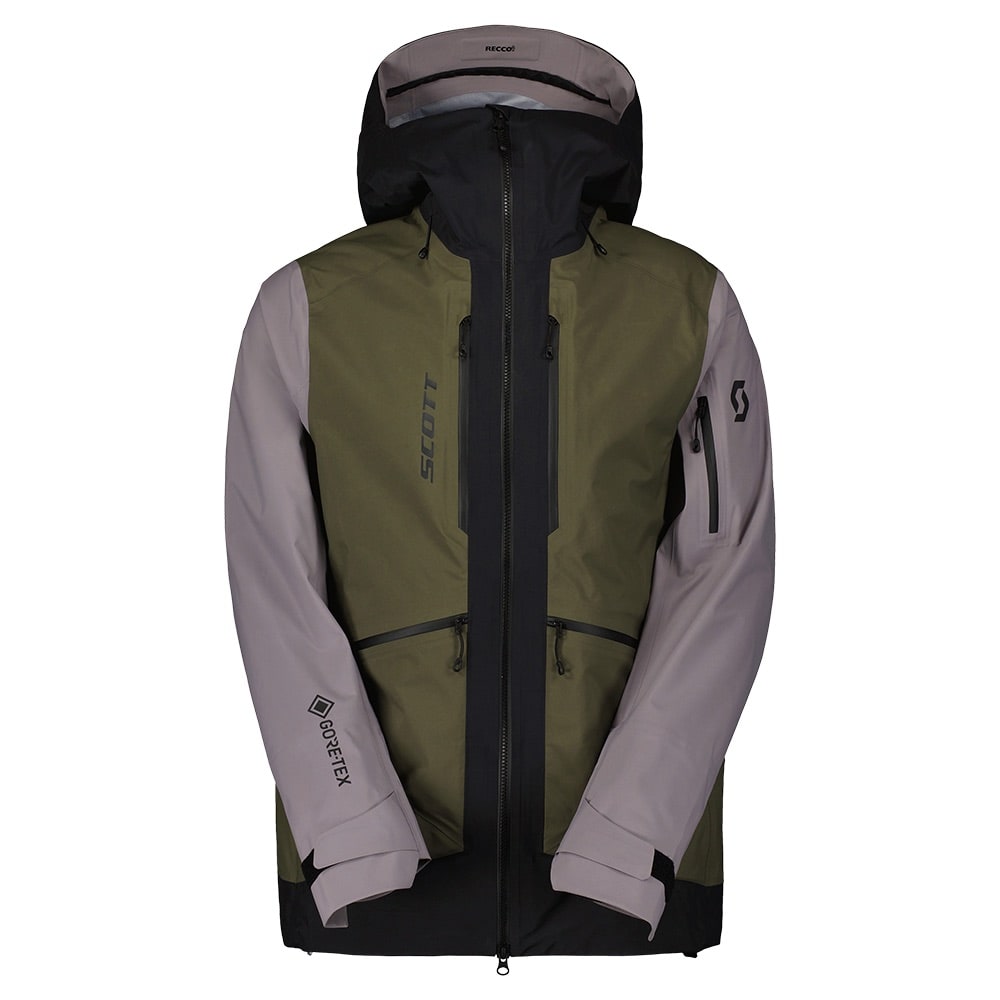
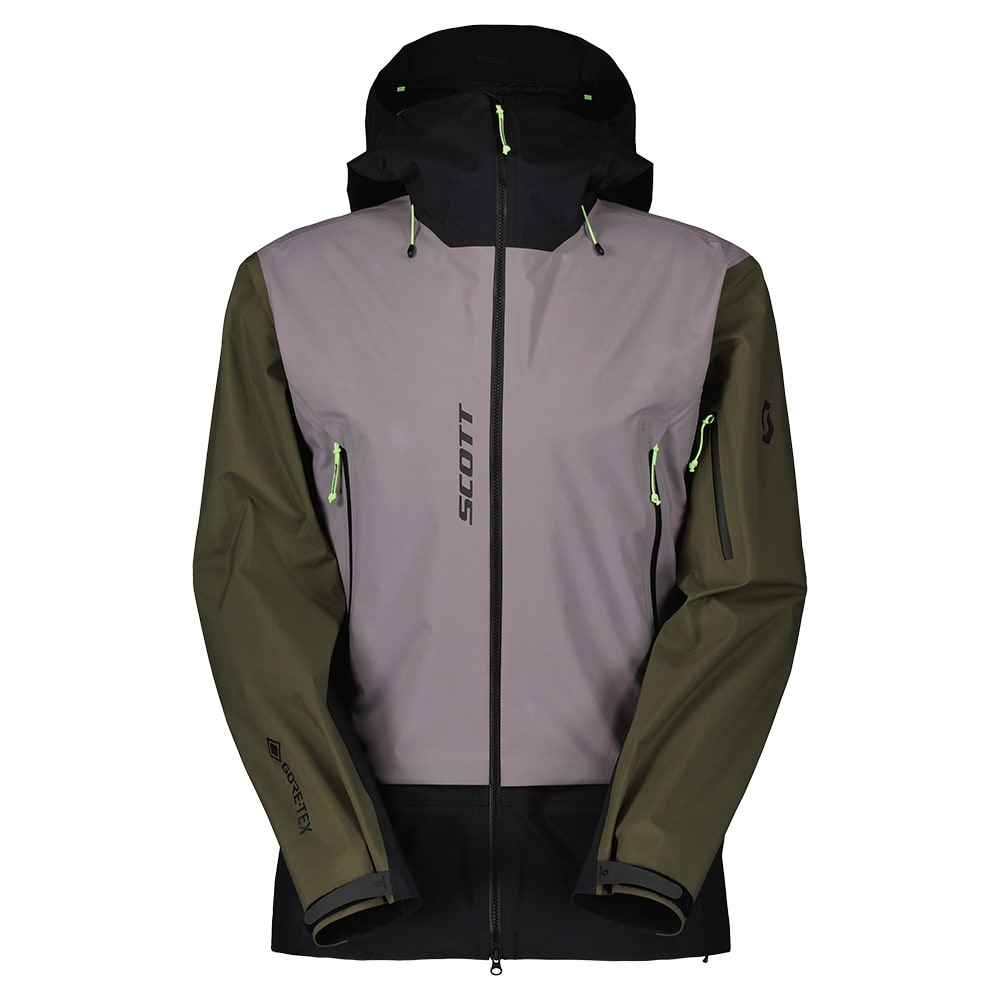
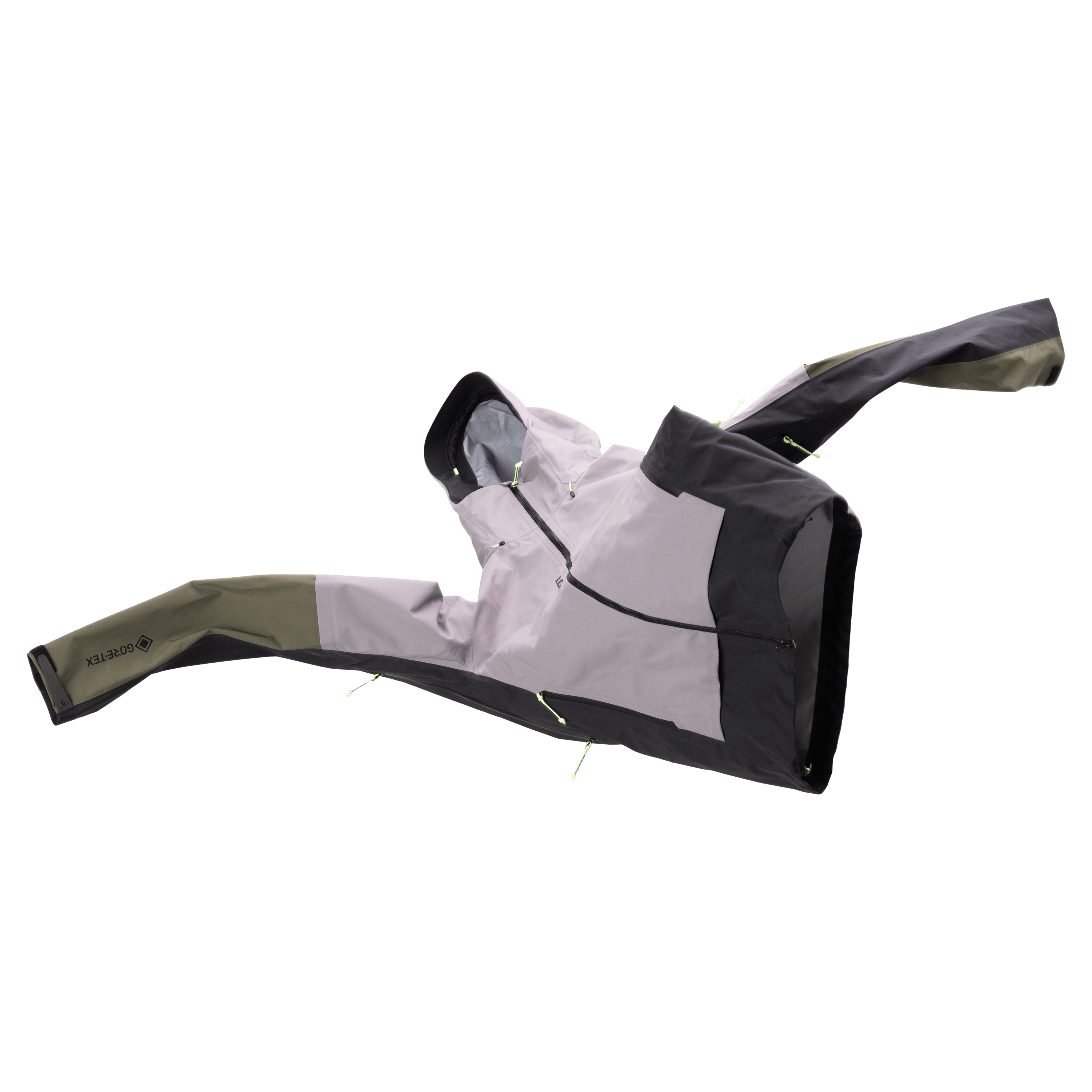
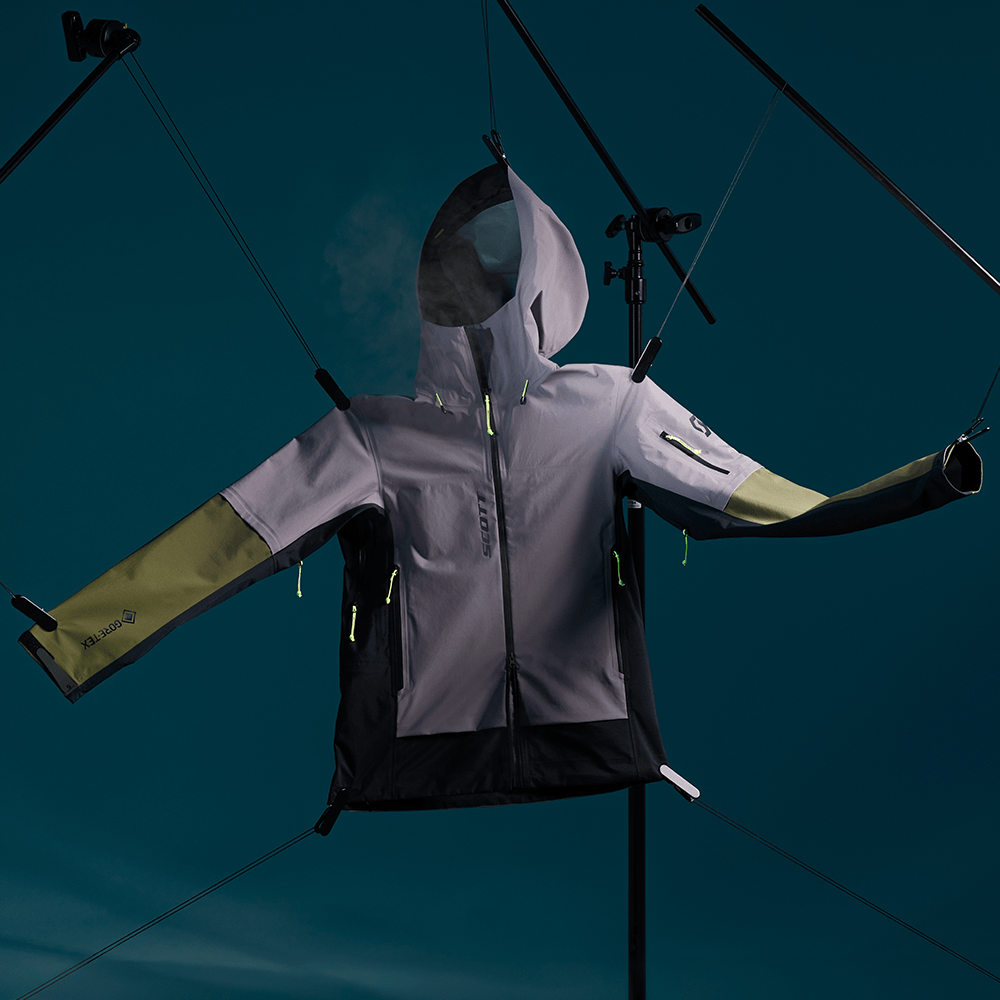
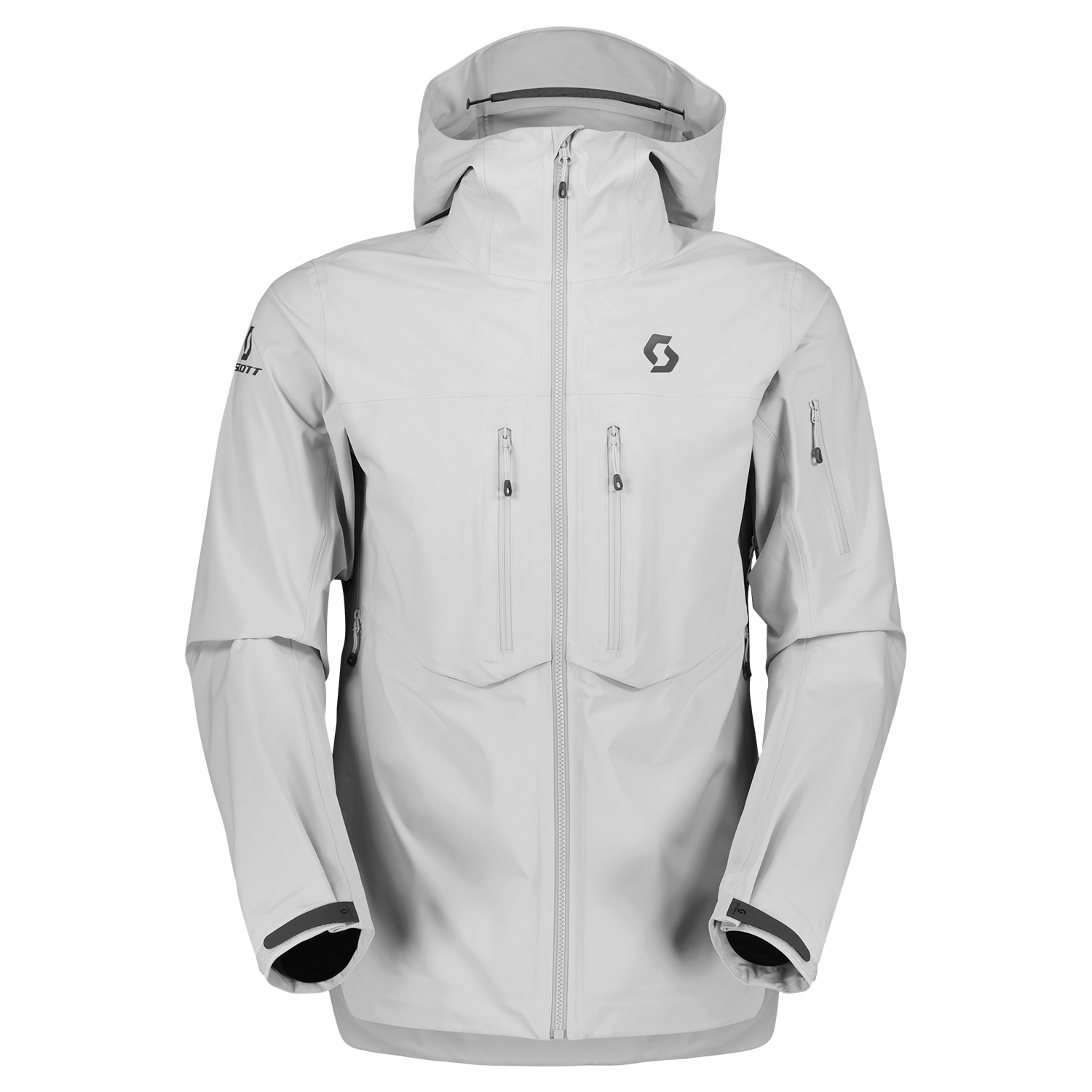
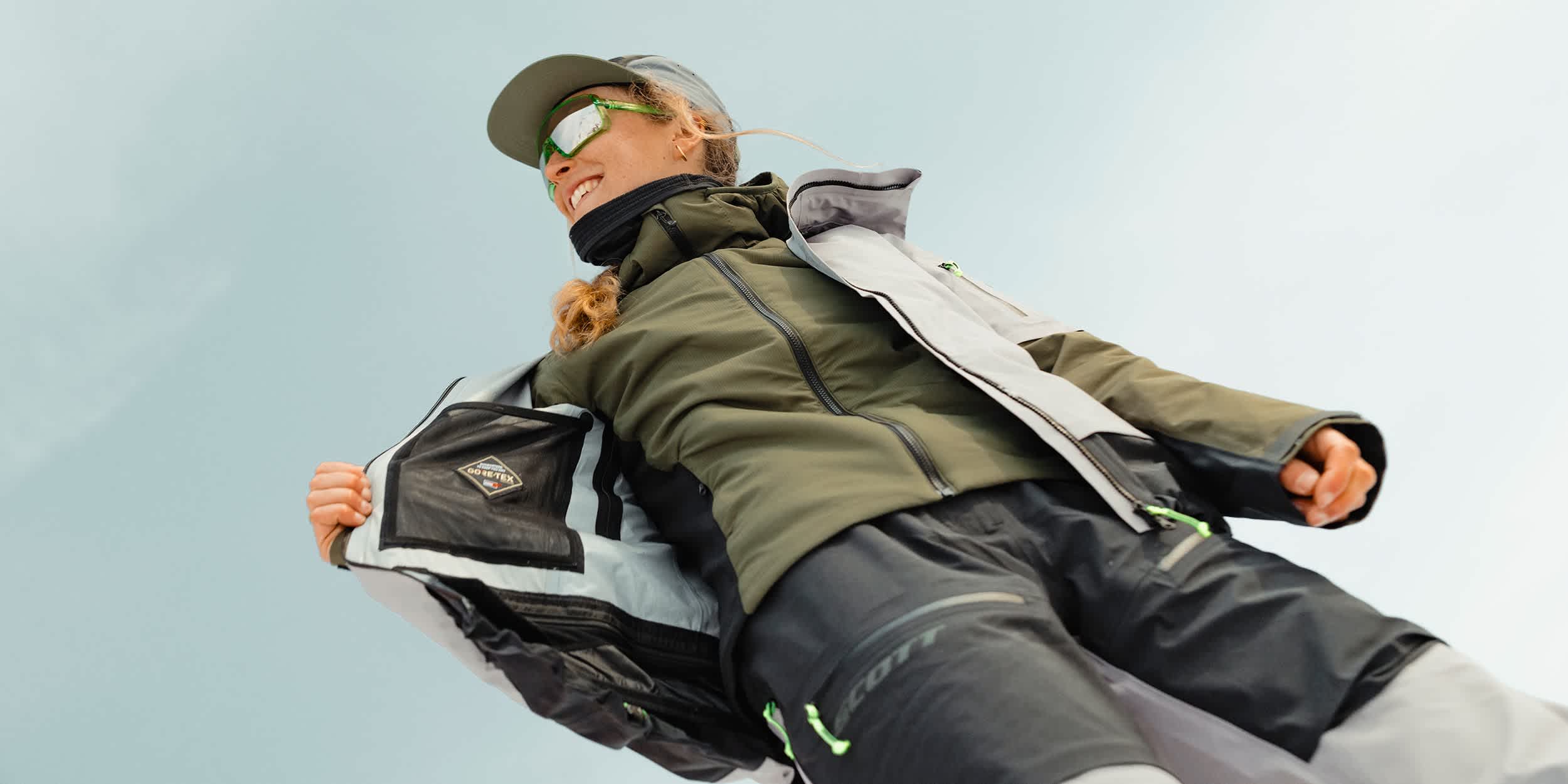
Shell jackets are the most protective layer against the elements - a shield against water and wind. The shell is always worn as the external layer. In addition to keeping the rain and snow out, the membrane in the shell allows for water vapor to escape from the body, keeping you dry from both internal and external moisture and comfortable in any conditions.

Main features

  • Waterproof
  • Windproof
  • Robust

Technologies

RECCO tech logo Re-source tech logo PFC Free tech logo Gore-Tex logo

WATERPROOFNESS

The traditional way to evaluate waterproofing is the water column test, which measures how much water pressure a fabric can withstand before leaking. The higher the pressure, the more waterproof the fabric.

The average pressure of rain is between 1,000 to 2,000 mm water column (100 - 200 mbar). Therefore, a garment that withstands the pressure of 1,300 mm water column is considered waterproof. That said, while a jacket made of a fabric with a waterproof rating of 2,000 mm water column will indeed protect you from the rain, it may not protect you during a long downpour or thunderstorm. Ultimately, the higher the water column rating, the more waterproof the material.

At SCOTT, our jackets usually achieve 15,000-28,000 mm ratings, ensuring comfort and dryness even on the wettest days. And when it comes to setting the benchmark in waterproof performance, GORE-TEX products stand out. With outstanding durability and guaranteed waterproofness, they're engineered to keep you dry season after season.
Discover our Gore-Tex Collection

Water column

  • 0mm
  • 1,300mm
    Waterproofness
  • 10,000mm
  • 15,000mm
  • 20,000mm
  • 28,000mm