Winter Cycling: Preparation Over Spontaneity
12 February 2026
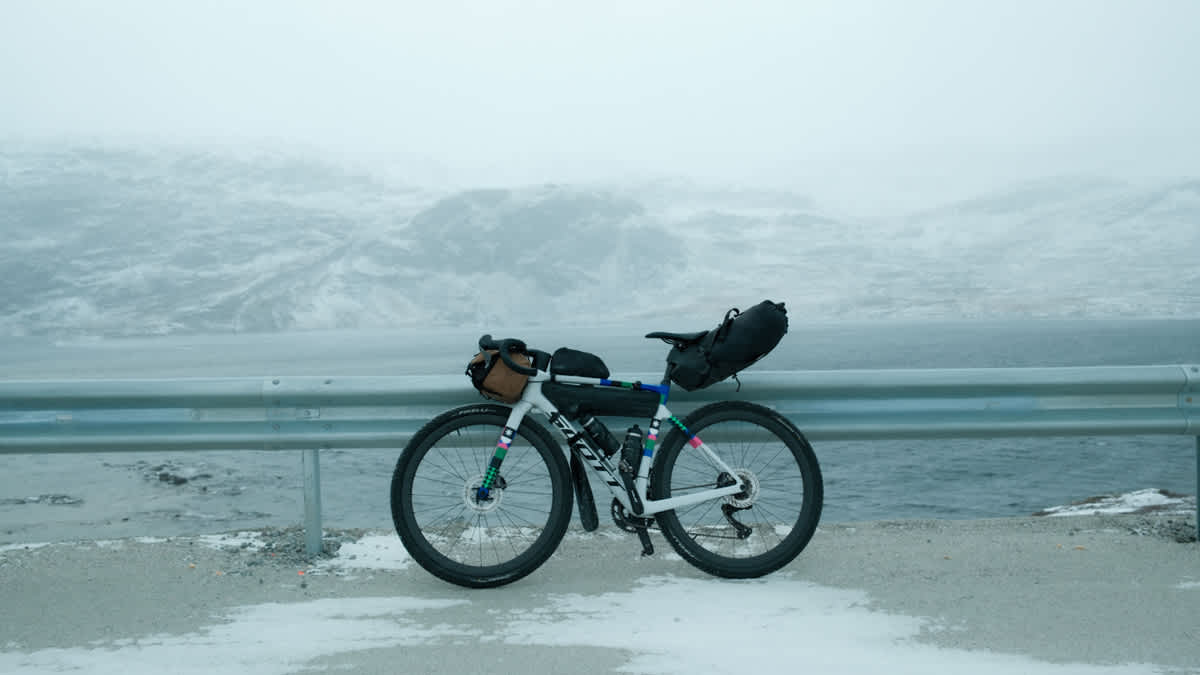
I ride out of a tunnel and the wind hits me sideways, hard enough to push both me and the bike toward the opposite lane. The road is glazed with ice, shimmering under a thin layer of snow. I put my feet down.
Two days earlier, I was packing at home in Sogndal for a bikepacking trip across southern Norway. November. The forecast promised dry weather, but temperatures between –10 and –15°C. Cold enough that preparation matters. Cold enough that you don’t improvise your way through. Winter riding sharpens your focus. The bike, the setup, and how you look after it become as important as what you wear. When conditions are demanding, preparation is what keeps the ride enjoyable.
Tire Choice: Grip Over Speed
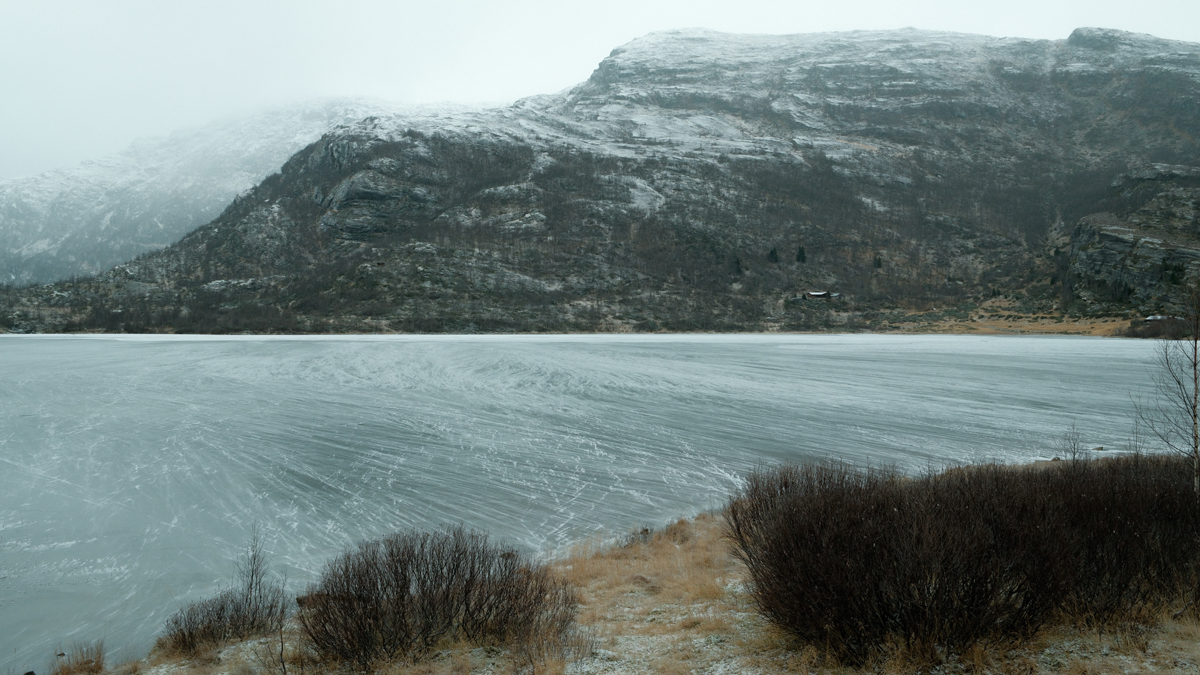
In winter, traction defines everything. On fresh snow, knobby gravel tires are often enough. But in regions where temperatures move back and forth around freezing, snow quickly compresses into ice. Roads change character overnight.
In those conditions, studded tires are worth considering. They add rolling resistance, but winter isn’t about speed. It’s a season for building steady endurance and riding with control rather than chasing efficiency.
Protect the Bike (and Yourself)
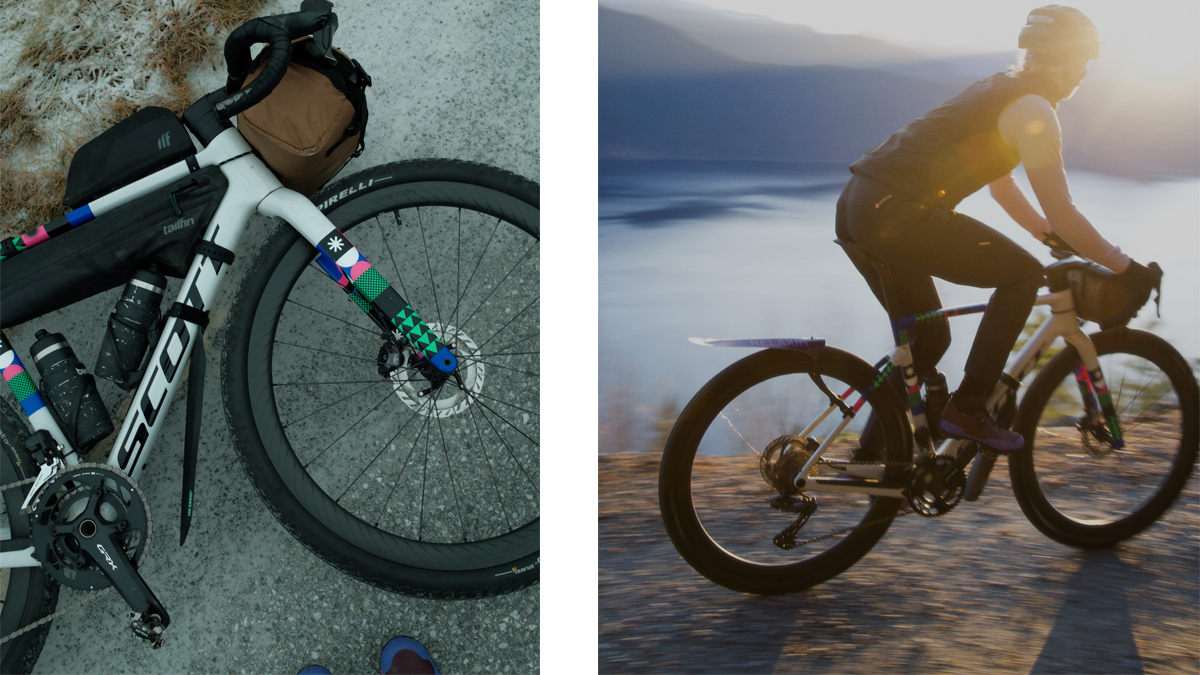
Fenders are one of the simplest winter upgrades, and one of the most effective. Snow, slush, and grit get thrown upward constantly. Fenders keep you drier, protect your eyes, and reduce wear on the drivetrain. Fixed or quick-install options both work—the key is having them. Cold also exposes weak points in bike maintenance. Moisture from snow and slush can cause chains and cassettes to rust surprisingly fast. Drying the drivetrain after each ride makes a noticeable difference. A cloth through the chain, or warm air to remove moisture, helps prevent corrosion. Regular lubrication is even more important in winter than summer.
Hydration and Layers
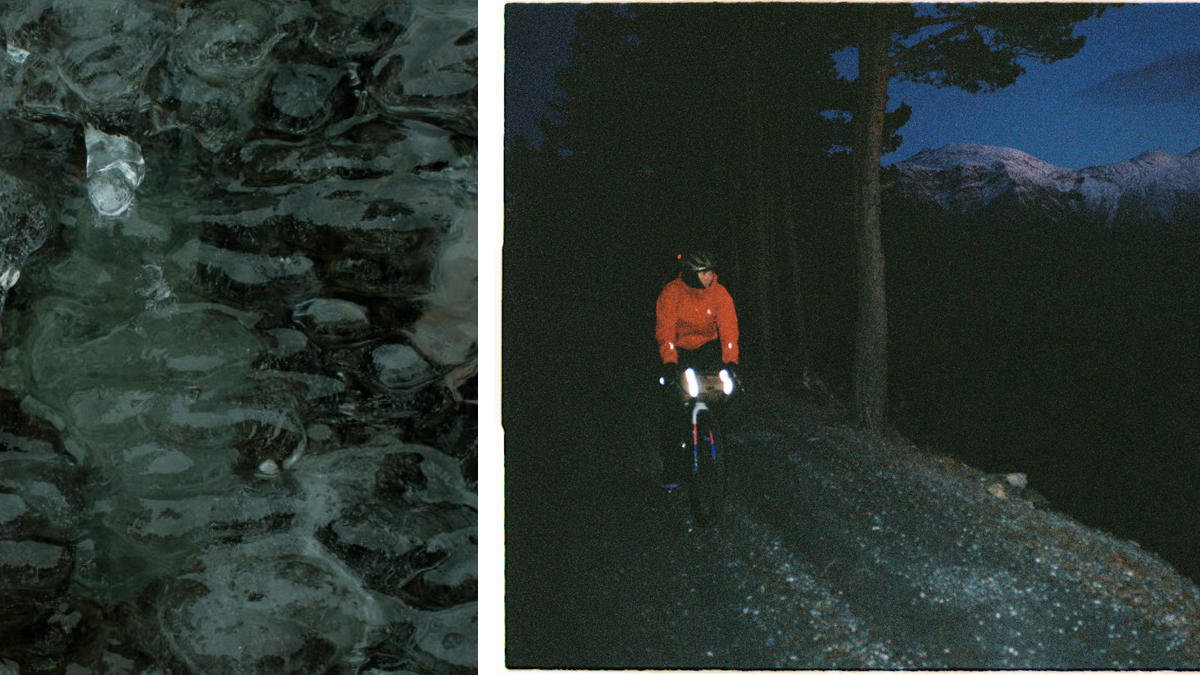
Water management becomes part of the setup. Standard bottles freeze quickly, even when filled with hot water. Insulated or thermos-style bottles that fit standard cages keep hydration accessible on longer winter rides. Temperature regulation is rarely stable. Climbs generate heat, while descents drain it fast. Carrying spare layers allows you to adapt without stress. A small frame or handlebar bag makes it easy to shed layers when overheating and add them back when the cold returns.
Ride With Intention
Limited daylight and variable road conditions shape winter riding. Conservative pacing, good lighting, and clear stopping points—often cafés or shelters—add structure to the day and reduce pressure. By the end of the trip, fatigue is there, but nothing has felt unpredictable.
That’s winter cycling: fewer spontaneous decisions, more considered ones. When the bike is set up for the season and properly maintained, cold-weather riding becomes not just possible, but deeply rewarding. That’s the advantage of setting the bike up for the season.
Featured Athletes