



Bike Helmets


















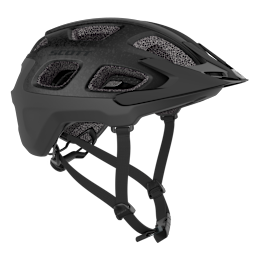
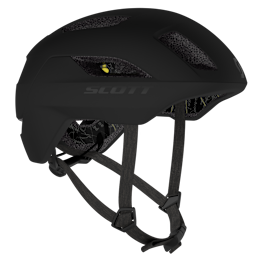
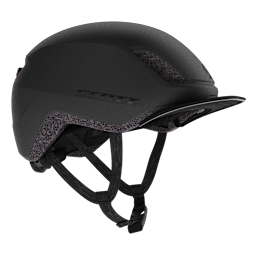
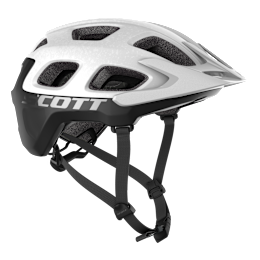
Bike Helmet Questions – Fit, Safety & Replacement Guide
Bike helmets are essential for protection and performance—but riders often have questions about sizing, replacement, and safety standards. Below, we answer common questions to help you make the right choice.
Do bike helmets expire?
Yes, bike helmets do expire. Even if unused, the materials degrade over time due to UV exposure, sweat, and general wear. Most manufacturers recommend replacing your helmet every 5 years, even if it shows no visible damage. SCOTT bike helmets are designed with advanced materials for long-lasting protection—but like any safety gear, they should be inspected and replaced regularly.
How long do bike helmets last?
Typically, a bike helmet lasts 3 to 5 years depending on use and storage. If your helmet has been in a crash, it should be replaced immediately—even if it appears intact. Foam liners can compress or crack in ways that aren’t always visible. SCOTT helmets are built to withstand intense use, but we always recommend regular safety checks.
How should a bike helmet fit?
A bike helmet should sit snugly on your head, level from front to back, with minimal movement. The front should sit just above your eyebrows. The straps should form a “V” under your ears and feel secure when the buckle is fastened. Use the rear adjustment system to fine-tune the fit. SCOTT helmets feature easy-to-use dial fit systems for a secure and comfortable feel.
How do you measure for a bike helmet?
Use a flexible measuring tape around your head—just above your eyebrows and ears—to get the circumference in cm. Match this number to the sizing guide provided on each SCOTT helmet product page. Most adult helmets range between 51–63 cm. A proper fit ensures the helmet protects you effectively in the event of a fall.
Do you have to wear a helmet to ride a bike?
Helmet laws vary by country and region. In most countries, wearing a bike helmet is not legally required, but it is strongly recommended for your safety. Many trail centres, races, and bike parks require them. SCOTT encourages all riders—road, trail, or commute—to wear helmets every time they ride.
What is a MIPS bike helmet?
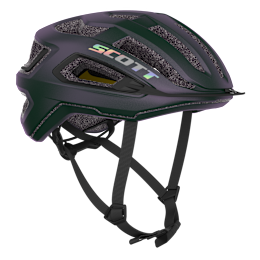
MIPS stands for Multi-directional Impact Protection System. It’s a helmet technology designed to reduce rotational forces during angled impacts. A low-friction layer inside the helmet allows your head to move slightly upon impact—minimizing the force transmitted to your brain. Many SCOTT helmets are equipped with MIPS for enhanced safety.
Not Sure Which Helmet Fits You Best?
Explore the full SCOTT bike helmet collection, or use our filters to compare features like MIPS, ventilation, and fit system.